
Peer Mentor Training for Veterans
For many Veterans, the person who understands them best isn’t a clinician or a case manager—it’s another Veteran. WarriorNOW’s Peer Mentor Training equips Veterans and family supporters with the tools, skills, and support they need to serve as effective, trauma-informed peer mentors for those navigating PTSD, mental health challenges, addiction, and justice involvement. warriornow.org+2GreatNonprofits+2
Why Peer Mentors Matter
Veterans are more likely to open up to someone who:
- Speaks the same language
- Understands military culture
- Has walked through their own struggles
Our mentors help:
- Reduce isolation and suicide risk
- Support treatment engagement and court/program compliance
- Create long-term, pro-social connection and accountability
This program builds on WarriorNOW’s core mission of improving peer connections, breaking barriers, and accessing community resources for Veterans and their families.
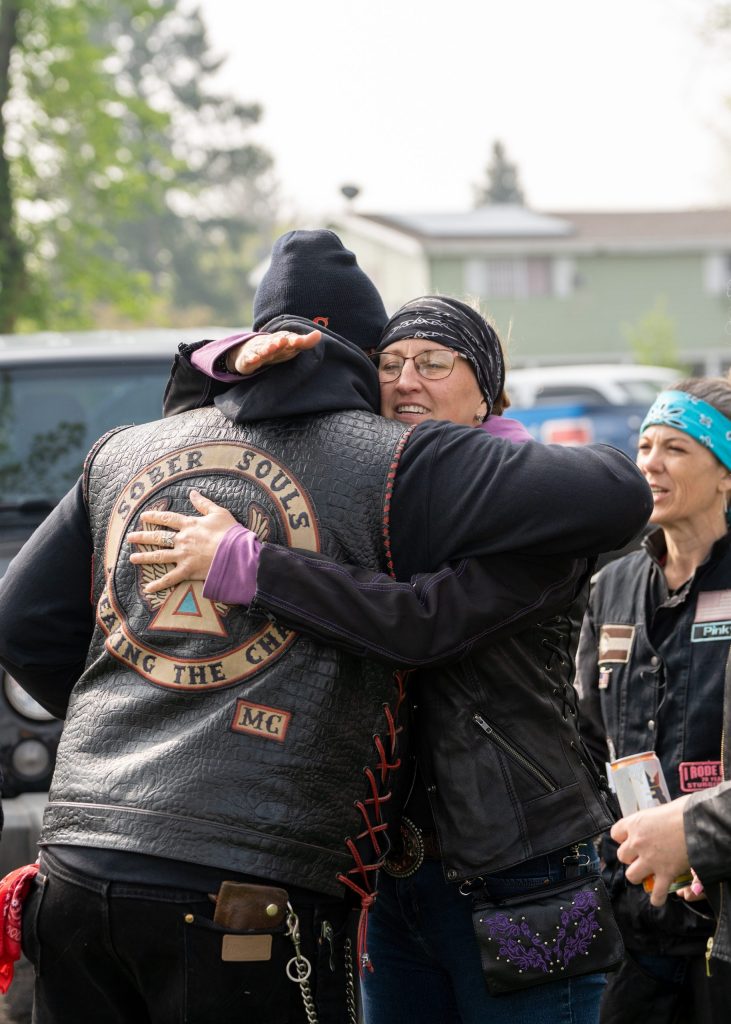
Who We Train as Peer Mentors
Our Peer Mentor Training is designed for:
- Veterans from any branch, era, or MOS
- Guard & Reserve members and prior service members
- Family members & caregivers of Veterans (for specific family mentor roles) warriornow.org
Ideal mentors are people who:
- Are stable in their own recovery/mental health journey
- Are willing to listen more than they talk
- Can commit to regular check-ins with one or more Veterans
- Believe in meeting Veterans where they are, without judgment
You don’t have to “have it all together” to be a mentor—but you do need to be ready to show up, be honest, and grow.

What You’ll Learn in Peer Mentor Training
Our training combines mental health education, skills practice, and WarriorNOW-specific tools so you can mentor with confidence.
Core topics
- Role of a Peer Mentor
- What a peer mentor is—and is not
- Boundaries, ethics, and confidentiality
- What a peer mentor is—and is not
- Understanding PTSD, TBI, and Addiction
- Common signs and symptoms
- How trauma affects behavior and relationships
- Common signs and symptoms
- Listening & Communication Skills
- Active listening and asking better questions
- De-escalation basics and handling tough conversations
- Active listening and asking better questions
- Suicide Awareness & Crisis Response
- Warning signs, risk factors, and protective factors
- How to respond when someone says they want to give up
- When and how to involve crisis resources
- Warning signs, risk factors, and protective factors
- Working With Justice-Involved Veterans
- Court and supervision basics
- Supporting accountability without shaming warriornow.org+1
- Court and supervision basics
- Navigation & Resource Connection
- Connecting Veterans to community resources
- Connecting Veterans to community resources
Documentation and communication with program staff
Format
- Combination of classroom/online training, discussion, and roleplay
- Taught by experienced instructors and program staff
Training Structure & Time Commitment
- Initial Training: 8–12 hours total (delivered over a weekend or multiple evenings)
- Ongoing Support: quarterly in-service trainings, check-ins, and optional workshops
- Mentor Match: once trained, you can be matched with one or more Veterans based on your availability and comfort level
- Flexible scheduling options (evenings and weekends when possible)
- Training may be offered in-person in the Denver Metro area and/or virtually
- Food and materials are typically provided for in-person trainings (where funding allows)
What Peer Mentors Actually Do
A trusted peer support partner for justice-involved Veterans.
Mentors are not therapists or case managers—they’re trusted peers who:
- Check in regularly with assigned Veterans (calls, texts, meetings, Buddy Check)
- Offer encouragement, accountability, and a non-judgmental listening ear
- Help Veterans navigate WarriorNOW programs, events, and community resources
- Support Veterans through transitions: court dates, treatment, reentry, life milestones
- Model healthy, pro-social behavior and coping skills
You’ll be part of a network of mentors, not doing this alone. WarriorNOW provides staff support, training refreshers, and a community of other mentors to lean on.

Peer Mentor Training for Your Veterans
Bring WarriorNOW Peer Mentor Training to your court, jail, or program.
We collaborate with:
- Veterans Treatment Courts & problem-solving courts
- County jails and community corrections programs
- JBBS and behavioral health providers
- Community nonprofits serving Veterans
Options can include:
- Training justice-involved Veterans to serve as peer mentors inside programs
- Equipping existing peer support staff with additional tools and WarriorNOW’s model
Integrating mentor support into reentry and aftercare planning

You already feature mentor stats on the site. Reuse them here or expand slightly.
Peer Mentor Program Impact
43+
Mentors Trained
100+
Training Hours Delivered
2,900+
Veterans Impacted Across Programs
Each trained mentor isn’t just one person—they’re a multiplier.
One mentor can impact dozens of Veterans, families, and communities over time.
Apply to Become a Peer Mentor
We review each application to ensure mentors are a good fit for the program and the Veterans we serve. Completing this form does not obligate you to participate, and we’re happy to answer any questions you have.
Peer Mentor Training FAQs
Is there a cost to attend Peer Mentor Training?
Do I need previous experience in mental health or peer support?
I’m still working through my own stuff—can I still mentor?
How much time does mentoring take?
Is this only for Colorado?
Right now, our primary trainings and mentorship program are based in Colorado, with a focus on the Denver Metro and surrounding areas. Remote/virtual options may be available as our program grows.